
Construction doesn’t stop for winter, but the way projects need to be planned and equipped often shifts considerably once the wetter, colder months arrive. In the Western Cape, where Cape Town’s Mediterranean climate delivers most of its annual rainfall between May and August, this seasonal shift is particularly pronounced. Contractors who treat their plant hire needs the same way year-round, regardless of season, frequently run into avoidable delays and added costs that a little seasonal foresight could have prevented entirely.
Ground conditions are the most immediate concern. Cape Town’s winter rainfall softens soil, raises water tables, and turns previously stable working surfaces into genuine hazards for heavy machinery. An excavator that operated safely and efficiently on firm ground through the dry summer months can struggle with traction, stability, and even basic mobility once the same ground becomes saturated after sustained winter rain. This isn’t just an efficiency concern, it’s a safety one, particularly for cranes requiring stable, level outrigger positions, or any excavation work near saturated or sandy soils that are more prone to collapse under wet conditions.
Access routes deteriorate faster during the Western Cape’s winter too. Temporary site roads that handled heavy vehicle traffic comfortably through October can become rutted, muddy, and difficult to navigate by July. Contractors who don’t budget for additional access maintenance during winter months, such as adding hardcore or compacted fill to maintain a usable route, often find their machines getting bogged down or unable to reach the areas of the site where work actually needs to happen.
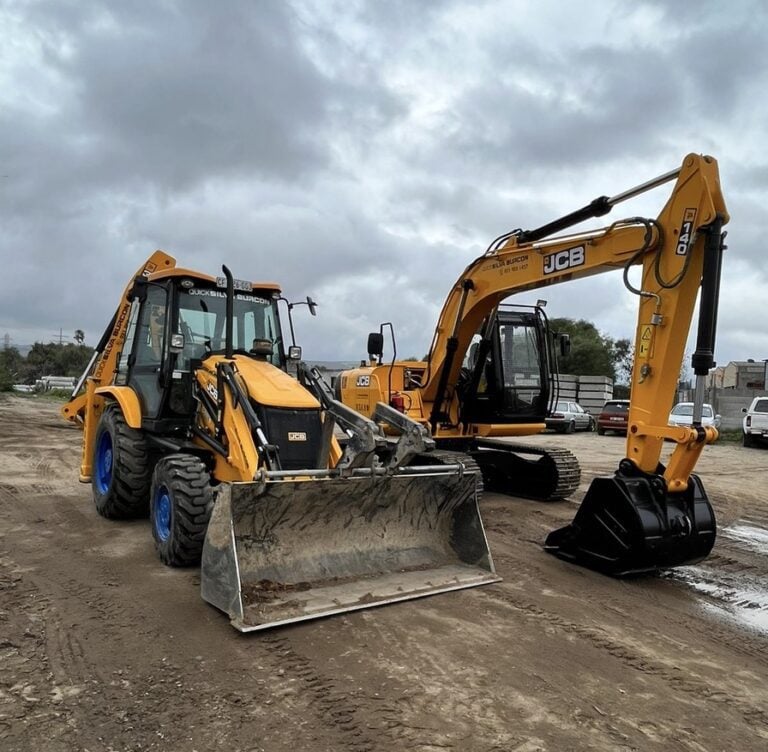
Equipment selection itself sometimes needs to shift seasonally. Tracked excavators generally cope with soft or wet ground far better than wheeled machines like TLBs, distributing weight over a larger surface area and maintaining better traction in conditions that would leave a wheeled machine struggling. Projects that rely heavily on wheeled equipment during Cape Town’s dry summer months may need to reconsider that equipment mix once winter rainfall changes ground conditions significantly.
Scheduling needs more flexibility during winter too. Rain delays are an unavoidable part of construction in the Western Cape, and project programmes built without any buffer for weather-related downtime tend to fall behind schedule almost immediately once the rains arrive. Building realistic contingency time into a winter construction schedule, rather than assuming the same productivity rates achieved during December and January, leads to far more accurate project planning overall.
There’s also a practical maintenance consideration worth factoring in. Machines working in Cape Town’s wetter winter conditions accumulate dirt and moisture in places that don’t see the same exposure during drier months, which can accelerate wear on certain components if maintenance schedules aren’t adjusted accordingly.
QuickSILVA Group’s team plans with South Africa’s seasonal realities in mind and can advise on the right equipment mix and scheduling approach for projects running through the Western Cape winter. Visit qs-grp.com or call +27 21 905 1457 to discuss your project’s seasonal needs.